
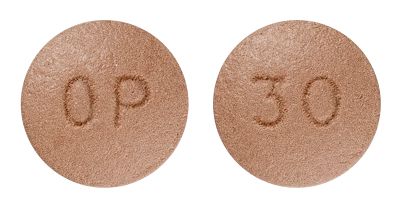
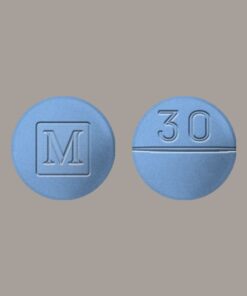
OxyContin 30 mg is an extended-release formulation of oxycodone, a potent opioid pain reliever prescribed to manage moderate to severe chronic pain conditions. This medication provides continuous pain relief for up to 12 hours, making it suitable for patients requiring around-the-clock pain management. OxyContin works by binding to opioid receptors in the brain and spinal cord, altering the perception and response to pain. It is essential to use this medication exactly as prescribed by a healthcare professional to minimize risks and avoid potential dependence. OxyContin 30 mg is not intended for occasional pain or short-term use and should be part of a comprehensive pain management plan. Patients should be aware of potential side effects, including drowsiness, constipation, and respiratory depression. Always consult your healthcare provider before starting or stopping OxyContin to ensure safe and effective use.
Key Benefits:
- Provides extended pain relief for up to 12 hours
- Effective for moderate to severe chronic pain
- Helps improve quality of life by managing persistent pain
- Convenient dosing schedule with twice-daily administration
How the Product Works:
OxyContin contains oxycodone, an opioid that binds to specific receptors in the brain and spinal cord. This interaction blocks pain signals and alters the perception of pain, providing effective relief over an extended period.
How It Is Used:
Take OxyContin 30 mg exactly as prescribed by your doctor, usually every 12 hours. Do not crush, chew, or break the tablets, as this can release the drug too quickly, increasing the risk of side effects or overdose.
Product Features:
- Extended-release tablet
- Twice-daily dosing
- Prescription-only opioid medication
- Smooth and consistent pain control
Important Safety Information:
- Risk of addiction, abuse, and misuse
- May cause life-threatening respiratory depression
- Avoid alcohol and other CNS depressants while using
- Not recommended for use in patients with significant respiratory issues
- Keep out of reach of children
Appropriate Warnings and Prescription Information:
OxyContin is a Schedule II controlled substance due to its high potential for abuse and addiction. It should only be used under strict medical supervision. Misuse can result in overdose and death. Inform your healthcare provider about your full medical history and any other medications you are taking.
FAQs:
-
What conditions is OxyContin 30 mg prescribed for?
- It is prescribed for moderate to severe chronic pain requiring continuous, long-term opioid treatment.
-
Can I stop taking OxyContin suddenly?
- No, you should taper off under medical supervision to avoid withdrawal symptoms.
-
What should I do if I miss a dose?
- Take it as soon as you remember unless it is near the time for your next dose. Do not double up.
-
What are common side effects?
- Drowsiness, constipation, nausea, dizziness.
-
Is OxyContin addictive?
- Yes, there is a risk of addiction, especially with prolonged use or misuse.
-
Can I drive while taking OxyContin?
- Avoid driving or operating heavy machinery until you know how the medication affects you.
-
What should I avoid while taking OxyContin?
- Avoid alcohol, sedatives, and other CNS depressants.
-
How is OxyContin different from immediate-release oxycodone?
- OxyContin is extended-release, providing longer pain control with fewer doses.
-
Are there alternatives to OxyContin?
- Yes, your doctor can suggest other pain management options based on your condition.
-
How should I store OxyContin?
- Store at room temperature, away from moisture and heat, and out of reach of children.
SEO Keywords:
OxyContin 30 mg, extended-release oxycodone, chronic pain medication, opioid pain relief, long-lasting pain relief, prescription painkiller, OxyContin dosage, pain management medication
| Quantity | 96 Pills, 137 Pills, 192 Pills |
|---|
Related products

Opioid pain medications
Opioid pain medications
Opioid pain medications
Opioid pain medications
Opioid pain medications
Opioid pain medications
Opioid pain medications

Opioid pain medications